
Attention: The Risk of Pausing Amazon PPC Campaigns!
Henry Ford once said stopping advertising to save money is like stopping your watch to save time. Sellers who pause Amazon PPC campaigns expecting to cut costs usually discover the opposite — organic rankings drop, competitors move into their search positions, and restarting a paused campaign costs more than maintaining it would have.
The data behind this isn't complicated. Amazon's advertising ecosystem runs like a flywheel: paid traffic generates sessions, sessions generate sales, sales velocity affects organic ranking, and organic ranking generates more traffic without ad spend. When you pause, the flywheel slows — and getting it back up to speed takes longer and costs more than it would have to keep it turning.
This guide covers exactly what happens when you pause Amazon PPC, when pausing is actually the right move, and — most importantly — the specific alternatives that reduce your ad spend without the downstream consequences of a full pause.

What Happens When You Pause Amazon PPC Campaigns
1. Product Awareness Impact

Consumers don't buy a product the first time they see it. The decision to buy happens after skimming multiple products, multiple search queries, price comparison, and review scanning — typically across several sessions. Research shows it takes 5–6 visual impressions of a product before a buyer develops enough familiarity to trust it and consider a purchase.
Running Amazon PPC campaigns creates those repeated impressions across multiple search sessions. The goal isn't just the immediate sale — it's building the recall that makes your product a familiar option when the buyer is finally ready to act. Pausing cuts off that impression stream entirely, and the brand awareness you've accumulated starts degrading immediately.
2. Organic Growth Decelerates
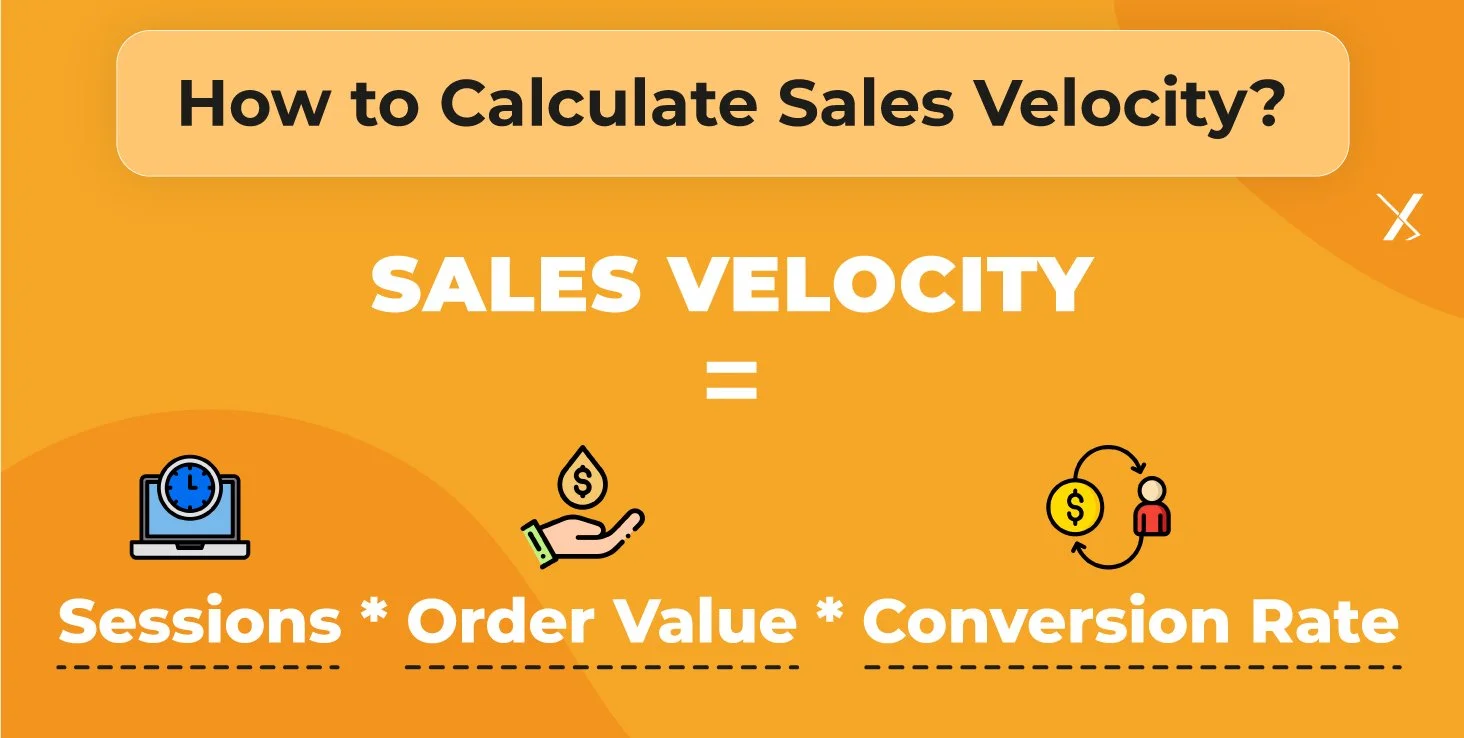
Paid and organic sales on Amazon are more connected than most sellers realize. While Amazon's algorithm hasn't officially confirmed every ranking factor, sales velocity — the rate at which products sell — has an observable effect on where products appear in organic search results.
Sales velocity is directly tied to sessions: more sessions to your product page mean more purchase opportunities, which drives higher sales, which lifts organic rank for the keywords that generated those sessions. PPC is the most controllable way to drive targeted sessions to your product page. When you pause campaigns, sessions drop, velocity slows, and organic positions gradually erode — sometimes taking months to recover.
3. Less Sales = Less Reviews = Less Trust
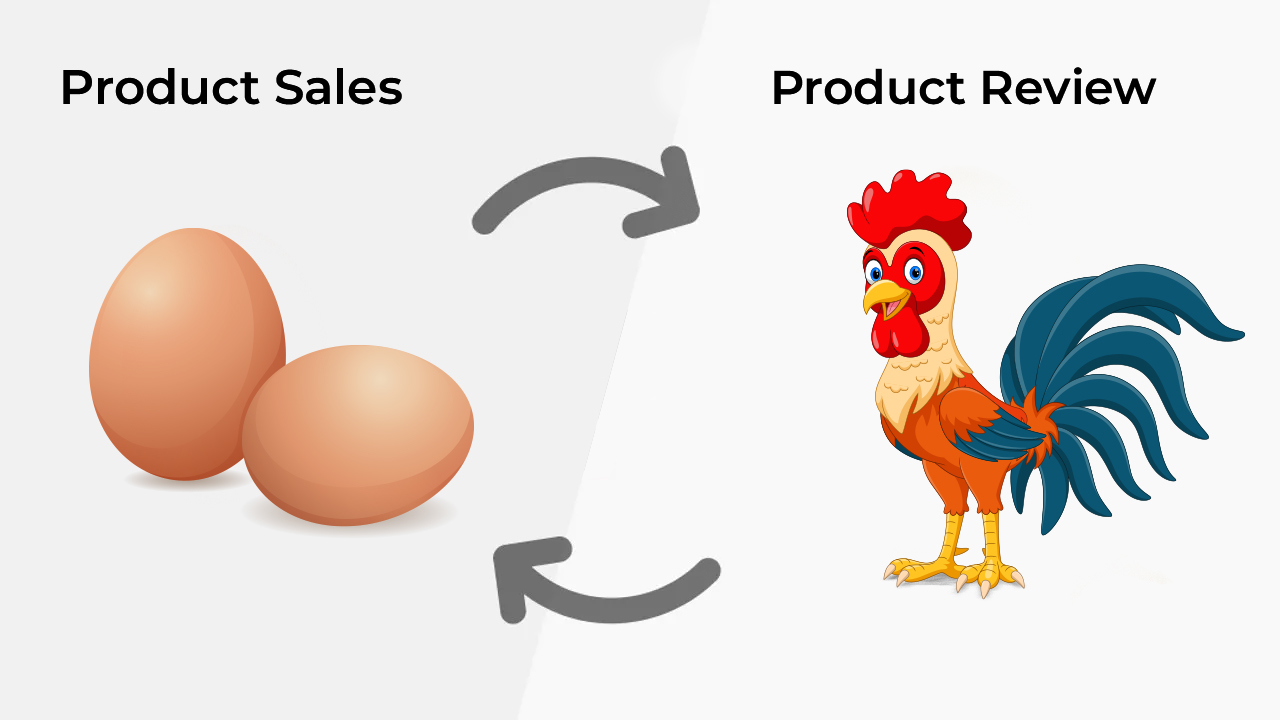
Reviews are one of the few signals Amazon buyers use to evaluate an unfamiliar product quickly. More reviews build trust, which drives conversion, which generates more sales — and the cycle compounds over time.
The challenge: you can only get reviews by making sales, and you can't easily make sales without reviews. This is the classic chicken-and-egg problem for Amazon sellers. PPC campaigns break this cycle by driving buyers to your page who convert even without the social proof — creating the sales that generate the reviews that eventually make organic sales self-sustaining. Pausing campaigns slows the review velocity at exactly the stage where it matters most, extending the time it takes to build a review base that can carry the product independently.
4. TACoS Is the Metric That Actually Matters
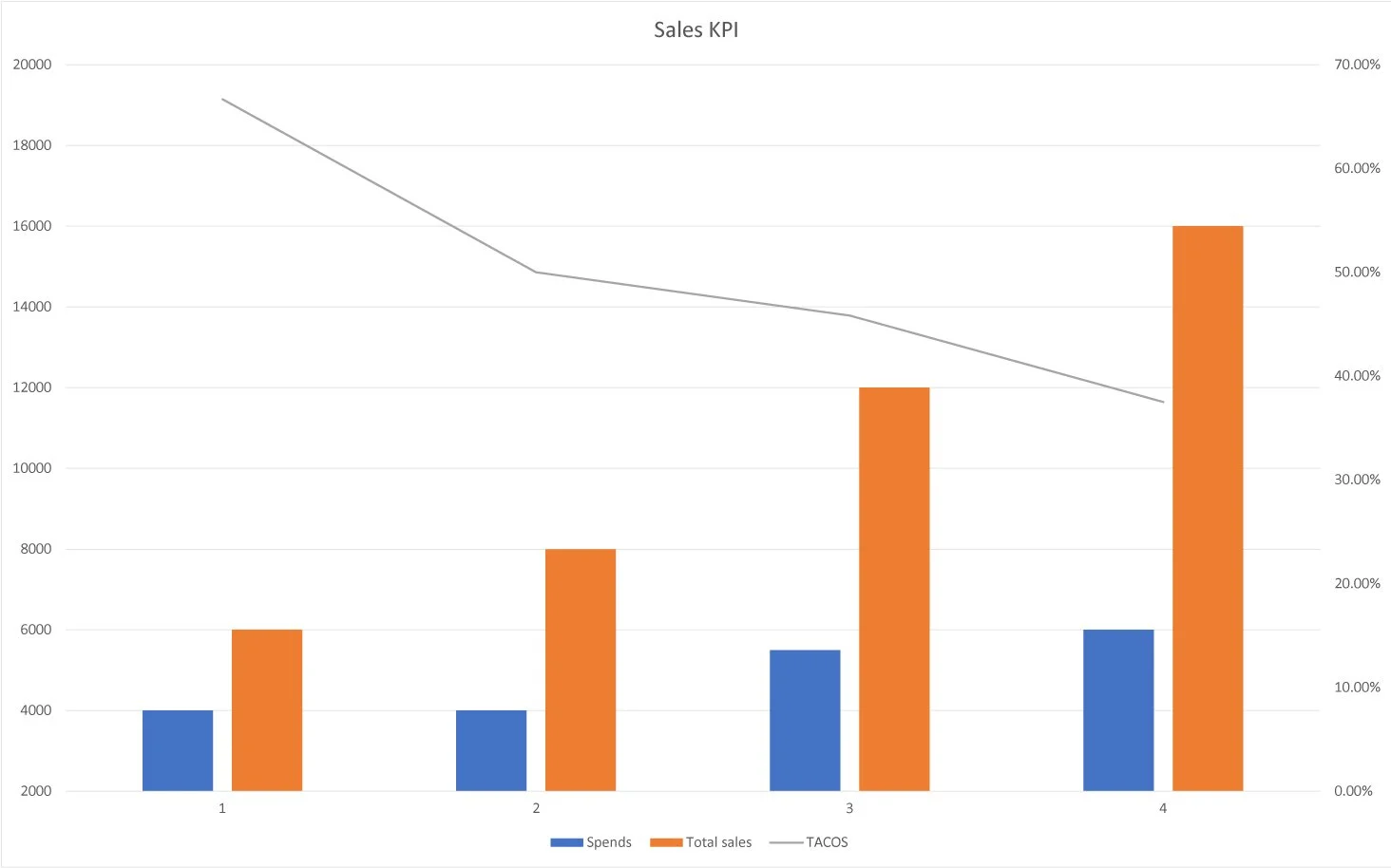
Most sellers make pause decisions based on ACoS — Advertising Cost of Sale — which measures ad spend as a percentage of ad-attributed revenue only. The problem is that ACoS looks at a fraction of the picture. It ignores the organic sales that advertising makes possible.
TACoS (Total Advertising Cost of Sale) measures ad spend as a percentage of total revenue — both organic and paid. A product with a high ACoS but a low TACoS is generating strong organic sales alongside paid ones. That's a healthy campaign. Pausing it to "fix" the ACoS kills the organic revenue driving TACoS down — and TACoS increases the moment paid traffic stops feeding the organic flywheel.
As a seller, tracking TACoS week-over-week tells you whether your advertising is building compounding value or just burning budget. An improving TACoS trend over time is the sign of a campaign that's working. ACoS in isolation is an incomplete signal.
5. Competitors Fill the Void Immediately

When you pause, the ad placements you were holding — on branded search terms, category keywords, and your own product pages — immediately become available to competitors. They're not waiting. Every seller in your category is looking for placement opportunities, and a paused campaign is an open invitation.
The traffic you spent months training onto your listings — repeat buyers who recognize your brand, potential reviewers mid-decision — gets redirected to a competitor's product page. And because that competitor's campaign is now accumulating sales velocity on searches that used to be yours, getting those placements back costs more when you restart.
When Is It Actually Okay to Pause Amazon PPC?
Not every pause is wrong. There are specific situations where pausing a campaign — or specific ad groups within it — is the correct call:
- Out-of-stock inventory: Pausing when stock runs out prevents wasted spend and negative buyer experience from stockout purchases. Resume within 24 hours of restocking — every day of downtime allows competitors to capture your keyword positions.
- Severely underperforming ad groups: If an individual ad group has zero conversions over 30 days on significant spend, pausing that specific group (not the whole campaign) while you diagnose the keyword or listing issue is appropriate.
- Seasonal products off-season: A Halloween costume campaign paused in January is reasonable — though reducing bids to minimal maintenance levels is often better than a full pause, as it preserves keyword relevance data.
- Listing under review or suspended: Running PPC to a suppressed listing wastes budget entirely. Pause until the listing is live, but keep the campaign ready to reactivate immediately.
In every other scenario — high ACoS, budget pressure, slow sales period — there are better alternatives to a full pause.
What to Do Instead of Pausing: Smarter Spend Reduction
Reduce Bids, Not the Whole Campaign
If ACoS is too high, the first action is reducing keyword bids — not pausing. A 20–30% bid reduction on underperforming keywords lowers spend while keeping your campaign active, your keyword data intact, and your product visible. Pausing eliminates all of that in one action. Bid reduction is a scalpel; pausing is an axe.
Add Negative Keywords
Wasted spend on irrelevant search terms is the most common cause of high ACoS — and the fix has nothing to do with pausing. Pull your Search Term Report weekly and add irrelevant, non-converting search terms as negative keywords. This reduces spend on unprofitable traffic without touching the keywords that are working.
For example, if you're selling a premium office chair and your campaign is spending on searches for "cheap office chair" or "office chair under $100," negative matching those terms stops the waste immediately. Over 30 days of consistent negative keyword management, ACoS typically improves significantly without any campaign pausing.
Amazon PPC Dayparting
Amazon dayparting is the practice of scheduling your ads to run only during the hours when your conversions are highest, and reducing bids during low-conversion windows. Instead of spending your daily budget across all 24 hours equally, dayparting concentrates it during peak buying periods.
How to implement dayparting in Amazon Ads:
- Pull your campaign performance report by hour of day over a 30-day period
- Identify the 4–6 hours with the highest conversion rates
- In Amazon Advertising Console, use the budget rules feature to reduce bids by 50–75% during low-converting hours
- Set your standard bids to run full strength during peak hours
For most categories, conversion rates are highest in the early morning (7–9 AM) and evening (7–10 PM). Spending heavily during mid-afternoon when buyers are at work and conversion rates are low is a common source of ACoS inflation that dayparting eliminates.
Adjust Budget Allocation by Campaign Type
If you need to cut overall PPC spend, prioritize in this order — reduce last, cut first:
- Keep (reduce last): Brand defense campaigns on your own keywords. These have the lowest ACoS and protect your highest-intent traffic.
- Reduce: Broad match auto campaigns discovering new keywords. Reduce daily budget by 30%, harvest converting search terms, move them to manual campaigns.
- Cut first: Specific ad groups with 60+ days of spend and zero conversions. These are definitively not working.
Understanding ACoS vs TACoS for Amazon PPC Decisions
| Metric | What It Measures | Good Target | When to Use It |
|---|---|---|---|
| ACoS | Ad spend ÷ ad-attributed revenue only | Below your profit margin (e.g., if margin is 40%, target ACoS ≤35%) | Campaign-level efficiency. Good for optimizing individual ad groups. |
| TACoS | Ad spend ÷ total revenue (organic + paid) | Declining trend over time indicates organic growth | Business-level health. Best indicator of whether PPC investment is compounding. |
| ROAS | Ad-attributed revenue ÷ ad spend | Category-dependent — typically 3x–6x for established products | Useful for comparing across campaigns. Same limitation as ACoS — ignores organic. |
A declining TACoS over time — even with a flat or slightly elevated ACoS — is the signal that advertising is building sustainable organic value. That's a campaign you protect, not pause.
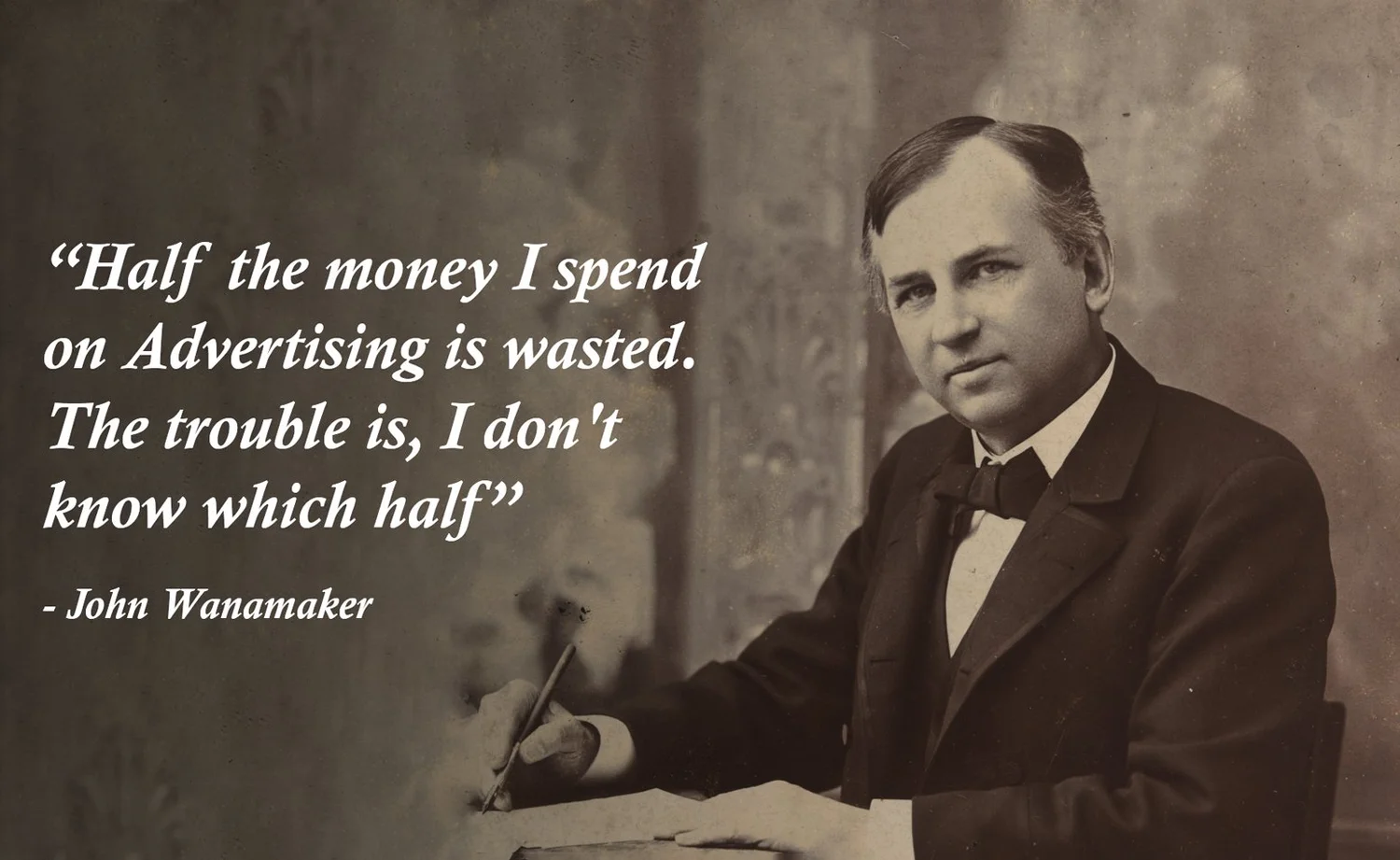
The famous retailer John Wanamaker once said: "Half the money I spend on advertising is wasted. The trouble is, I don't know which half." The answer on Amazon is data. Search Term Reports, TACoS trends, dayparting analysis, and negative keyword management tell you exactly which half is working — and give you the tools to reduce the wasted half without pausing the half that isn't.
Frequently Asked Questions
Should I pause Amazon PPC campaigns when ACoS is too high?
No — a high ACoS is a signal to optimize, not pause. Start by pulling your Search Term Report and adding irrelevant search terms as negative keywords. Then reduce bids on your highest-spend, lowest-converting keywords by 20–30%. Check whether your listing's conversion rate is the issue — a strong campaign sending traffic to a weak listing will always show a high ACoS regardless of bid levels. Pausing eliminates the data collection, keyword relevance, and organic velocity that the campaign was generating, making it harder and more expensive to recover performance when you restart.
What is Amazon PPC dayparting and how does it reduce wasted spend?
Amazon dayparting is scheduling your ads to concentrate budget during the hours when buyers in your category are most likely to convert. Pull your campaign performance by hour of day over a 30-day window, identify your lowest-conversion hours (typically mid-day weekdays for most consumer categories), and use Amazon's budget rules to reduce bids during those hours. Dayparting reduces spend on low-converting traffic without pausing the campaign — preserving keyword relevance data and organic velocity while cutting the ACoS impact of low-intent browsing sessions.
What is a good ACoS for Amazon PPC?
A good ACoS is one that sits below your profit margin on that specific product. If your gross margin is 45%, a target ACoS of 30–35% leaves room for profit after advertising. During a product's launch phase, ACoS will often run higher than your margin — that's expected, because the goal is sales velocity and review generation, not immediate profitability. As organic ranking improves and TACoS decreases, you can tighten ACoS targets on the paid side. Always evaluate ACoS in the context of TACoS — a high ACoS combined with a low and declining TACoS usually means the campaign is doing its job.
How do I find negative keywords for Amazon PPC?
Download your Search Term Report from Amazon Advertising Console — Reports → Advertising Reports → Search Term Report. Filter for terms with high spend but zero or very low conversions over 30+ days. Any search term that is clearly irrelevant to your product (wrong category, wrong price range, competitor brand names you don't want to appear for) should be added as exact match negatives at the campaign level. Run this analysis monthly — new irrelevant search terms appear continuously as Amazon's broad and auto match types evolve.
What happens to organic ranking when I pause Amazon PPC?
Organic ranking is partly driven by sales velocity — the rate at which a product sells relative to competing products for the same keywords. When you pause PPC, sessions to your product page drop. Fewer sessions means fewer sales opportunities, which slows velocity. Over time — typically 2–6 weeks depending on your category's competitiveness — organic positions for keywords that your PPC was reinforcing begin to decline. Recovering those positions after restarting takes the same flywheel time it originally took to build them, often at higher CPCs because competitors have moved into those positions during the pause.
Need Help Reducing Amazon Ad Spend Without the Risk of Pausing?
The difference between an optimized campaign and a paused one is data — knowing which keywords, hours, and match types are delivering value and which are burning budget. At YourSeller Agency, our team manages Amazon PPC campaigns end-to-end, including Search Term Report analysis, negative keyword management, dayparting setup, and TACoS-based performance tracking — so your ad spend compounds into organic growth instead of cycling through restarts.
We also run brand defense campaigns to ensure competitors don't take your positions while you optimize spend on growth keywords.
Our 90-day sprint model. No long contracts. Measurable results.

